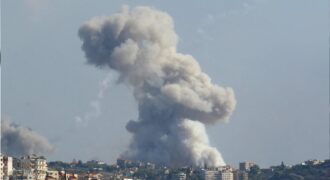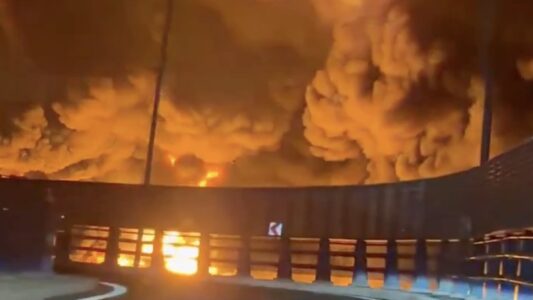

More than 40 energy assets across nine Middle Eastern countries have been “severely or very severely” damaged due to the ongoing conflict, according to Fatih Birol, head of the International Energy Agency. Speaking at Australia’s National Press Club in Canberra on Monday, Birol warned that the scale of destruction could continue to disrupt global energy supply chains even after the conflict subsides. He added that restoring damaged oil fields, refineries and pipelines will take significant time, delaying a full recovery of energy output.
More than three weeks of conflict in the Middle East have severely disrupted global energy supply chains, nearly shutting down the crucial Strait of Hormuz and driving up prices of crude oil, natural gas and fuel. According to Fatih Birol, the scale of the current disruption is comparable to the combined impact of the two major oil shocks of the 1970s and the 2022 gas crisis that followed Russia’s invasion of Ukraine.
“Not only oil and gas, but some of the vital arteries of the global economy – such as petrochemicals, such as fertilizers, such as sulfur, such as helium – their trade is all interrupted, which will have serious consequences for the global economy,” he said, according to a report by Bloomberg.
Asia is emerging as the most exposed region in the crisis due to its heavy dependence on Middle Eastern crude, Fatih Birol said. Responding to China’s move to curb fuel exports, he stressed that the energy crunch is a global challenge that requires a coordinated international response.
“Every country first looks at its own domestic interest, but in such a situation, to have serious export restrictions without justification, might not be something which gets plus points from the international community,” he said.
The International Energy Agency (IEA) announced in early March that it would release a record 400 million barrels from its emergency oil reserves to cushion supply shocks and stabilise prices amid the Middle East conflict. Last week, the Paris-based agency also proposed steps to help energy-importing nations reduce demand.
Fatih Birol said additional reserves could be deployed if the Iran conflict continues to disrupt global markets in the coming weeks. However, he stressed that with shipping through the Strait of Hormuz nearly at a standstill, restoring flows through the critical trade route remains the only lasting solution to the ongoing fuel supply crunch.