George Bailey has responded to growing concerns over player contracts, with reports a handful of top-line stars have refused to sign their new Cricket Australia deals.
The governing body announced their annual contract list at the end of March, with big changes including the axing of Sam Konstas and retirement of Usman Khawaja.
However, according to a report from News Corp, up to five players have pushed back on the contracts offered to them by CA, with the issues raised including both money and lack of flexibility to play in overseas franchise T20 competitions.
READ MORE: ‘Been a lot of backlash’: Origin topic star is sick of
READ MORE: Webber hits F1 between the eyes with Verstappen message
READ MORE: Tennis mourns after death of Aussie grand slam hero
Speaking to media on Monday after the announcement of white-ball squads to tour Bangladesh and Pakistan, chief selector Bailey was quizzed on the lingering standoff and whether he was worried about pushback from some of Australia’s top names.
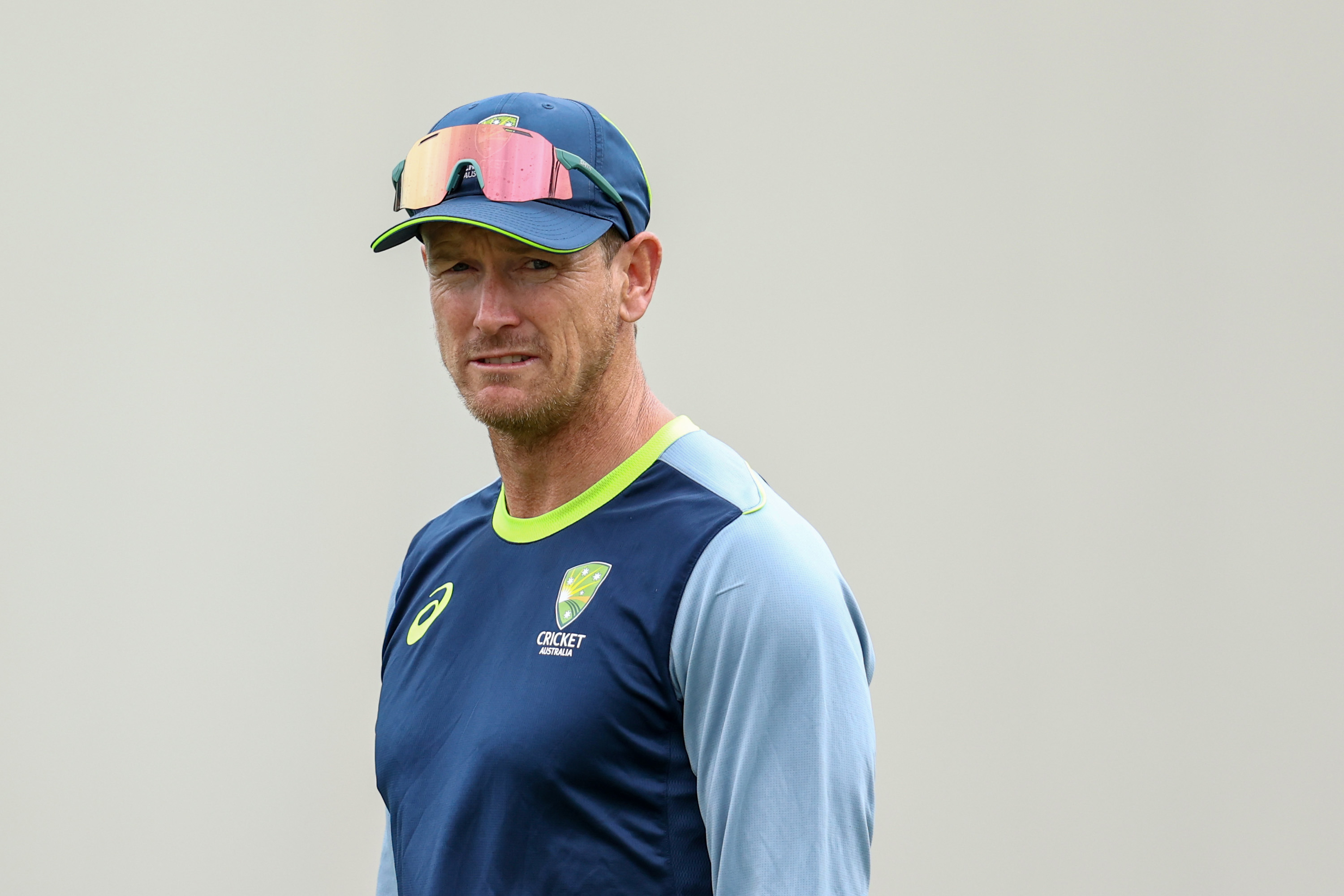
“No, I mean, I’ve seen a few reports on it,” he said.
“I actually think that’s pretty normal for this time of year. I think one of the things that’s important to understand is that we offer our national contracts up at the end of April.
“The key reason for that is to unlock the state contracting process and allow states to go forward with certainty, knowing who they have on national contracts and then what space that allows and money that allows for their state players.
“The actual contract doesn’t kick in until the end of June – so the 1st of July – and I think it’s pretty normal at this time of the year that agents are out spruiking, trying to get the best deal that they can for their players and I don’t think that’s been any different.
“There’s no doubt we acknowledge that there’s a changing landscape. Players do have options … and we’re constantly trying to strike that balance.”
Bailey also explained the balance of the central contract list for 2026/27 leaned towards those in line for Test matches, given the heavy red-ball schedule on the horizon.
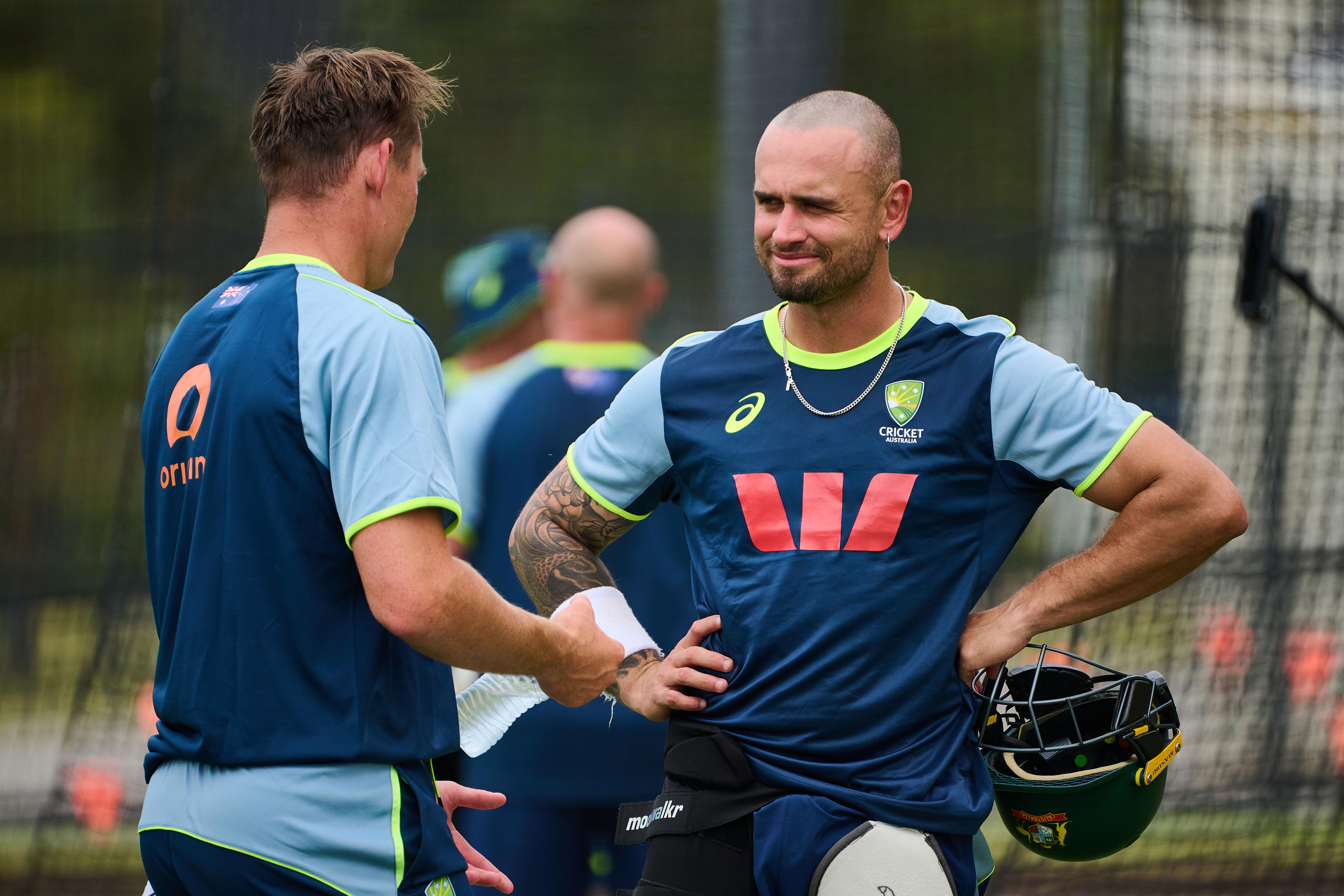
“There’s been no material change in the contracting process,” he said.
“I think our role continues to be offering contracts based on performance over time and with a view across three formats and clearly with an eye to the schedule.
“There’s been years where that list has a lot more white-ball players on it and years where, like this year, where it’s such a heavy Test schedule, it tends to be more red-ball dominated … so no, it hasn’t really changed, but I don’t think we’re the only country [facing that issue].”
Another looming issue for CA to deal with surrounds the Big Bash, as frustration grows for domestic players earning far less than their international counterparts.
With talks of privatisation stalling, key players in the competition are pushing back on signing contracts and could look to chase bigger money in the UAE and South Africa.
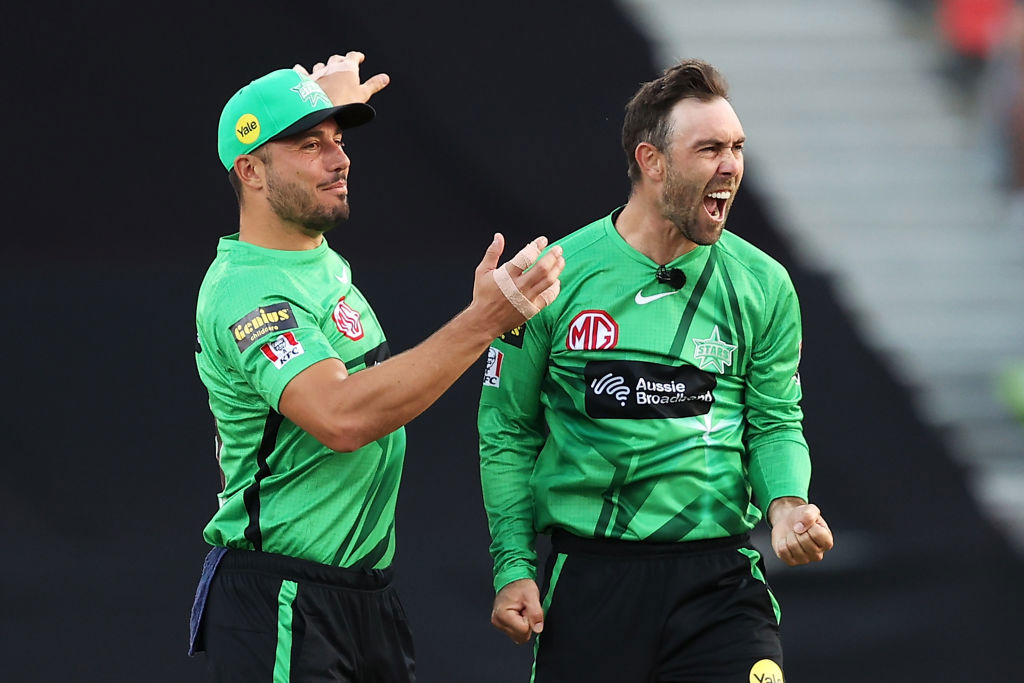
Bailey admitted he could see it from the players’ perspective in that regard.
“It’s probably not my area, but I can empathise with some of our best white ball players,” the former Test, ODI and T20 batter said.
“And not only that, I think the guys that have probably marketed and helped grow the Big Bash to where it is, I think I can empathise with their position.”
Australia unveiled some fresh faces in the subcontinent touring squad, with the likes of Liam Scott and Ollie Peake in line to make their international debuts.