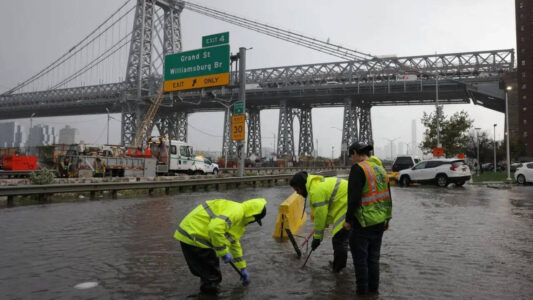

The National Weather Service is warning folks along parts of New York’s coast about some minor flooding coming up this weekend, mostly tied to high tides and a bit of extra water pushing in from the sound and harbor. Saturday afternoon, right around 3:30 p.m., the NWS put out a coastal flood advisory for Westchester County.
It kicks in Sunday morning at 8 a.m. and runs through 2 p.m. In the spots closest to the water, think shorelines, waterfront neighborhoods, up to a foot of water could pool over ground level.
They’re saying it’s not going to be a huge deal, but expect some puddling on roads, in parking lots, parks, yards, and maybe even into basements of homes or businesses right near the edge. If you’re driving through those areas, give yourself extra time because some streets might get blocked off. And the usual reminder: never try to drive around barriers or plow through standing water you can’t see the bottom of. It can be deeper and faster than it looks.
At the same time Saturday, the NWS dropped a coastal flood statement, basically a heads-up that’s a notch below an advisory, for Staten Island and Brooklyn, from 5 a.m. to 10 a.m. Sunday. Parts of New Jersey may also be impacted.
Here, they’re looking at maybe half a foot of water over ground in the most exposed waterfront spots. It’s described as brief and minor, hitting the usual vulnerable places near the shore. The main advice? Stay off flooded roads altogether, don’t drive through them, period.
What These Alerts Actually Mean
Just to clear up the lingo, since people mix them up: An advisory like this one means be aware, flooding isn’t expected to get severe enough for a full warning, but it can still mess with your day and, if you’re not careful, put people or property at risk. A statement is even milder, more of an FYI, if you will. For comparison, a flood watch means conditions could lead to flooding (get ready), while a warning or flash flood warning is “this is happening or about to, take action now.”
Staying Safe if Water Starts Rising
The weather service always issues the same solid tips when coastal flooding is in the forecast:
- If you’re in a low spot near the water, head to higher ground early.
- Listen if local officials call for evacuation, get out quick, lock up, and if you have time, shut off utilities to cut electrical risks.
- Steer clear of any flooded basement or area with outlets, wires, or appliances showing.
- If you hear snapping, crackling, or see sparks in water, get out fast, that could mean live electricity.
- Never walk through moving water, even six inches can knock you down hard.
- And again, don’t drive into flooded spots.
Stay safe out there and keep and eye out at NWS’ page for the latest updates.