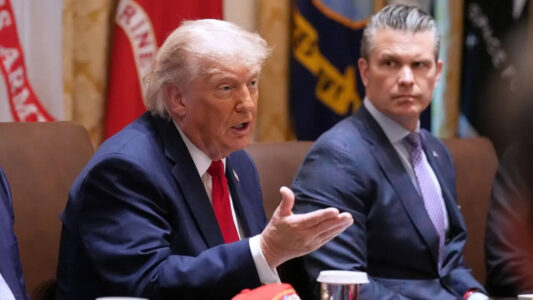

US President Donald Trump has put forth a fresh demand from Iran for the peace deal to go through — written commitments from Tehran on key aspects of its nuclear programme before moving ahead with a preliminary agreement, according to a report by ABC News.
This comes after Iranian officials reportedly gave Trump verbal commitments that they would accept certain restrictions related to its nuclear activities. However, officials said Trump concluded during a meeting in the White House Situation Room that those commitments did not go far enough.
The two sides have spent weeks negotiating a preliminary memorandum of understanding to end hostilities between the two countries that would eventually lead to the reopening of the Strait of Hormuz and establish a framework for future nuclear negotiations.
US Wants Specific Nuclear Pledges
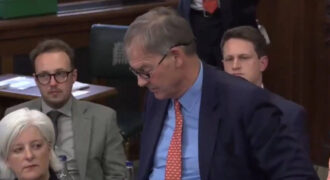
Speaking before the Senate Foreign Relations Committee on Tuesday, Secretary of State Marco Rubio outlined some of the commitments Washington wants from Tehran. “They have to commit to very specific negotiations on highly enriched — the disposition of the highly enriched uranium that still is buried deep in a mountain somewhere,” Rubio said. “They have to agree on negotiating severe and long-term limitations and/or cancellation of enrichment activity in their country.”
Rubio said broader questions, including possible economic incentives for Iran, could be addressed at a later stage. “For example, they have to commit to say ‘we will dispose of the enriched uranium.’ And the question now is ‘What are the mechanisms by which we do so?’ That can be negotiated,” he said.
What We Know About the Draft Agreement
According to US officials, American and Iranian negotiators recently agreed on a draft framework that they believed could gain support from both Trump and Iran’s leadership. That version reportedly included a written commitment from Iran that it would not pursue a nuclear weapon. Iranian officials have made similar public assurances on several occasions in recent years.
However, the draft did not contain detailed commitments concerning the wider nuclear programme, which Tehran has consistently maintained is intended for peaceful purposes.
US officials said Trump remains reluctant to offer significant financial concessions during the current phase of negotiations.
Rubio told senators that the administration had not proposed lifting sanctions on Iran or unfreezing Iranian assets as part of the preliminary agreement. According to the secretary of state, such measures would only be considered after Iran had fulfilled commitments to curb its nuclear activities.
Trump told ABC News on Monday that he expected Iran to accept his conditions within days. However, US officials have continued to express concerns about divisions within Iran’s leadership and whether the country’s political system can unite behind a final agreement.
State-affiliated Iranian news agency Tasnim reported on Tuesday that the latest draft remained under review in Tehran. “You ultimately are negotiating with people who then have to negotiate within their own system to see what they’re allowed to give and what they’re allowed to agree to,” Rubio said.
Rubio also addressed the role of Iran’s Supreme Leader, Mojtaba Khamenei.
The Iranian leader has not appeared publicly since he was reportedly injured in a strike that killed his father during the opening stages of the conflict.
However, Rubio said there were now “indications” that he was “increasingly engaging at some level” in the negotiations.