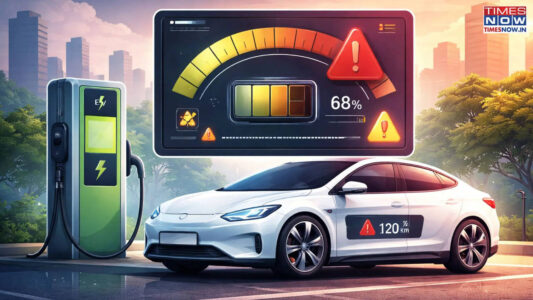

Electric vehicles are slowly becoming a part of everyday life, especially in cities where fuel prices and pollution are constant concerns. But for many first-time buyers, one question keeps coming up, which is – ‘how do you know when your EV battery is dying?’ But, the answer is simpler than it sounds, as unlike petrol engines that can fail suddenly, EV batteries age gradually. If you know what to watch for, you can easily understand when your battery needs attention and when it’s time for a replacement.
EV Batteries Age Slowly, Not Suddenly
An electric vehicle runs on a large high-voltage battery pack, which is designed to last for many years, usually between 8 to 15 years. Over time, this battery doesn’t stop working but slowly loses its capacity, which means your car will still run, but it won’t go as far on a full charge as it used to. This gradual decline is completely normal and expected.
Signs Your EV Battery Is Losing Health
The most obvious sign is a drop in driving range. If your EV once gave you 400 km and now struggles to reach 300 km, that’s a sign of battery degradation. A small drop is normal, but a 20-30% reduction is where you should start paying attention. Another clear sign is slower charging speeds. If your car takes longer than usual at fast chargers, it means the battery is not accepting charge as efficiently as before.
You might also notice power loss. The car may feel less responsive, especially during quick acceleration or while climbing hills. This happens because the battery cannot deliver power as strongly as it once did. Modern EVs will often warn you directly. Messages like “Check EV System” indicate that the Battery Management System (BMS) has detected an issue. One more important sign is sudden battery percentage drops, for example, falling from 50% to 30% quickly. This usually points to deeper battery problems.
When Is the Right Time To Replace The Battery?
Replacing an EV battery is expensive, so timing matters. The good news is that you don’t need to replace it early. Most carmakers guarantee that the battery will retain 70-80% of its capacity for 8-10 years. In real-world use, you should only consider replacement when battery health drops to around 70-75% and your daily driving needs are no longer met. Before making any decision, it’s important to get a proper check done. Technicians use diagnostic tools like an OBD2 scanner to measure the battery’s State of Health (SoH) accurately.
Don’t Mix It Up With The 12V Battery
Many EV owners mistake small electrical problems for a major battery failure. But often, the issue is with the smaller 12V battery. This battery powers lights, infotainment, and basic systems, and usually lasts 3-5 years. If you notice flickering lights, system glitches, or trouble starting the car, it’s likely the 12V battery, not the main EV battery.
Simple Tips To Extend Battery Life
Taking care of your EV battery doesn’t require much effort, but small habits can make a big difference. Try to keep your charge level between 20% and 80% for daily use. Avoid frequent fast charging, as it generates heat and speeds up wear. Parking in shaded or cooler areas also helps, as heat is one of the biggest enemies of battery life.
EV batteries don’t fail overnight as they give you plenty of warning signs. If you notice changes in range, charging speed, or performance, it’s time to pay attention, not panic. For new EV owners, the key is simple, as understanding the signs, getting timely checks, and following basic care habits. With this approach, your EV battery can last for years without trouble, making electric driving far more reliable than many people expect.