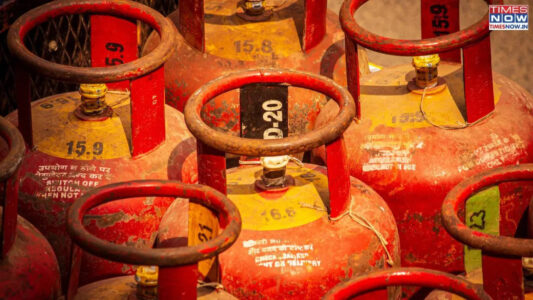

Amid the ongoing West Asia conflict, people are worried about the possibility of shortage of liquefied petroleum gas (LPG), or even liquefied natural gas (LNG). The panic is beginning to seem evident in general public, even though the Indian Government has assured Indians that the Centre has enough stock and people need not panic. While we read more and more headlines and news items regarding LPG, LNG, CNG, and PNG during this West Asia War, it is also important for students to understand what these gases mean, and how do they power India,
So let’s first understand these terms one by one.
What is LPG?
Whether or not you are a Science student, all students may have heard the term ‘LPG gas’ in their homes at one point or another. While Indians call it ‘LPG gas’, the correct term is ‘LPG’ as LPG stands for Liquefied Petroleum Gas (LPG), which is a portable, clean and efficient energy source. The main components of LPG are Propane and Butane, and it is a by-product of crude oil refining and natural gas processing.
It is generally used as a fuel gas in heating appliances, cooking equipment, and vehicles. it is also used as an aerosol propellant and a refrigerant. In addition to commercial use, India depends heavily on LPG for domestic kitchens too.
What is PNG?
PNG is simply the Piped Natural Gas (PNG), i.e. it is also a natural gas but one that is supplied through pipelines. Just like LPG, PNG is also used as a cooking gas for homes, restaurants, and industries, as kitchens get a direct pipeline connection to homes/ buildings. PNG helps guarantee continuous supply of cooking gas without the need of cylinders.
What is LNG?
Liquefied Natural Gas (LNG) is natural gas, with its main component being Methane, which is cooled to around –160°C so it turns into a liquid and can be transported in specialised tankers. The source of LNG is natural gas from underground gas fields, and it is stored as liquid at very low temperatures (-162°C).
LNG is mainly used for power generation, industrial fuel, transport fuel (ships, trucks). So, while LPG is largely used in domestic sense in India, LNG is mainly used for industrial energy and large transportation needs.
What is CNG?
As Indians, we all would have heard about ‘CNG’ at some point in our lives, but do you know what it is? CNG stands for Compressed Natural Gas, which is a natural gas compressed at high pressure. As we have seen in CNG vehicles, it is stored in high-pressure cylinders, and it acts as fuel for vehicles like cars, buses, and auto-rickshaws.
CNG is considered to be an environmentally friendly automotive fuel, and it also believed to reduce vehicular greenhouse gas emissions and urban pollution. Indian metro cities such as New Delhi, Mumbai and more use CNG for public buses and auto-rickshaws.